HEPA Filters | Not An Instagram Filter
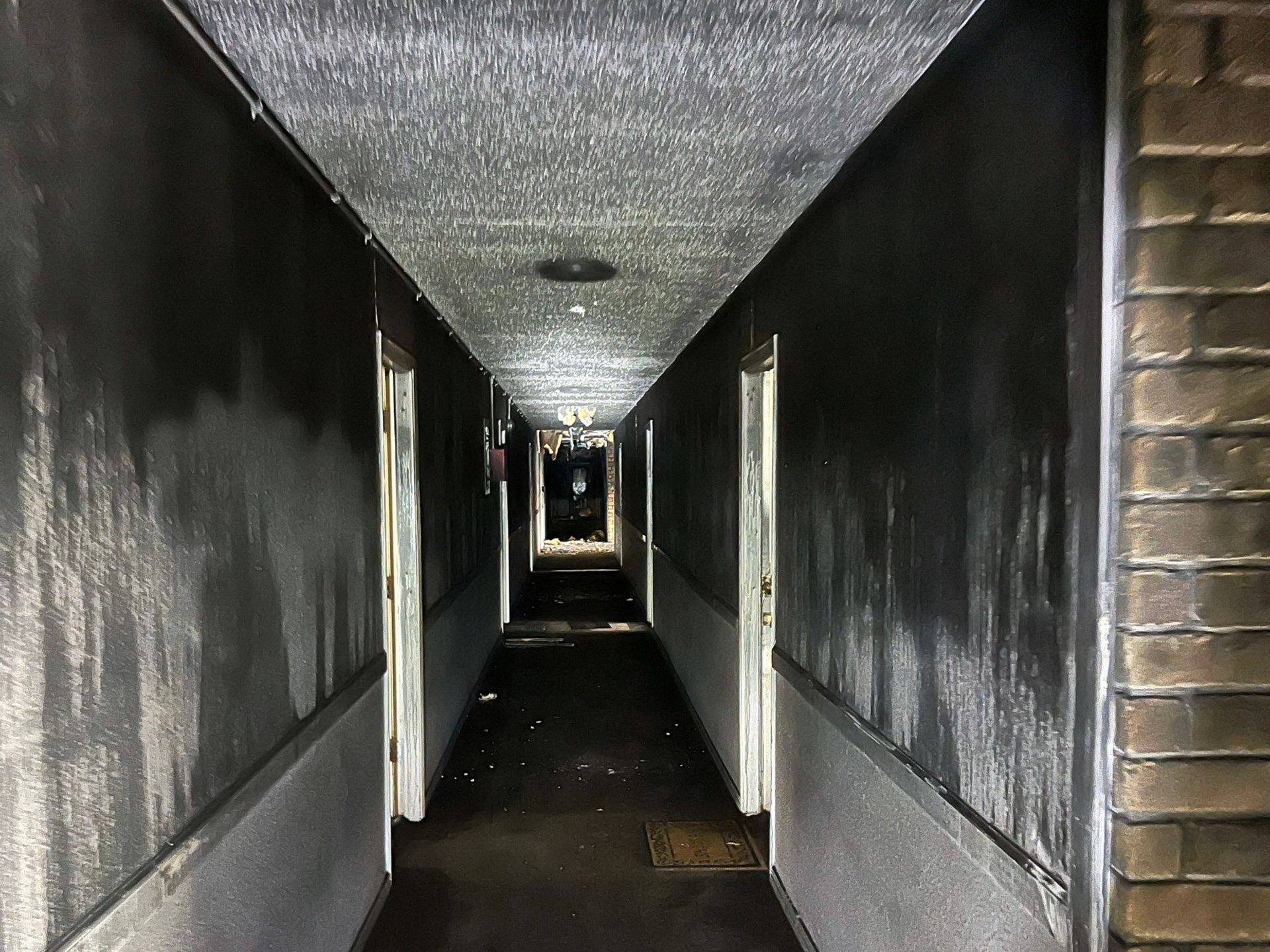
Are you on Instagram? If so, don’t look for HEPA Filter to be an option when loading up your latest selfie. HEPA (High-Efficiency Particulate Air) filters are an important part of our solutions to recovering a property from a fire or mold loss.

How We use HEPA on the Job
The HEPA standard is defined by the U.S. Department of Energy. The HEPA was first developed in the 1940s for use in facilities containing nuclear materials. If particles of dust or moisture become irradiated, they can spread radioactive contamination through air ducts and corridors. HEPA filters were developed to keep potentially radioactive particles contained. By the 1960’s, HEPA filters were moving into the consumer market as filters for HVAC units, vacuum cleaners and stand-alone air purifiers.

To understand how HEPA works, think of it as a mesh of tangled fibers. The sheet is usually folded into pleats to increase the surface area and filter life. Air flows through the fibers and particles get trapped when they hit the fibers. HEPA works well with removing particulate matter such as pet dander, pollen and dust mites in the home or office. Using HEPA to trap these pollutants also brings allergy relief

You can find HEPA filters in most home improvement stores or online market places. For more information on HEPA, give us a call at 1-800-349-4357.