Managing Airflow During Mold Remediation
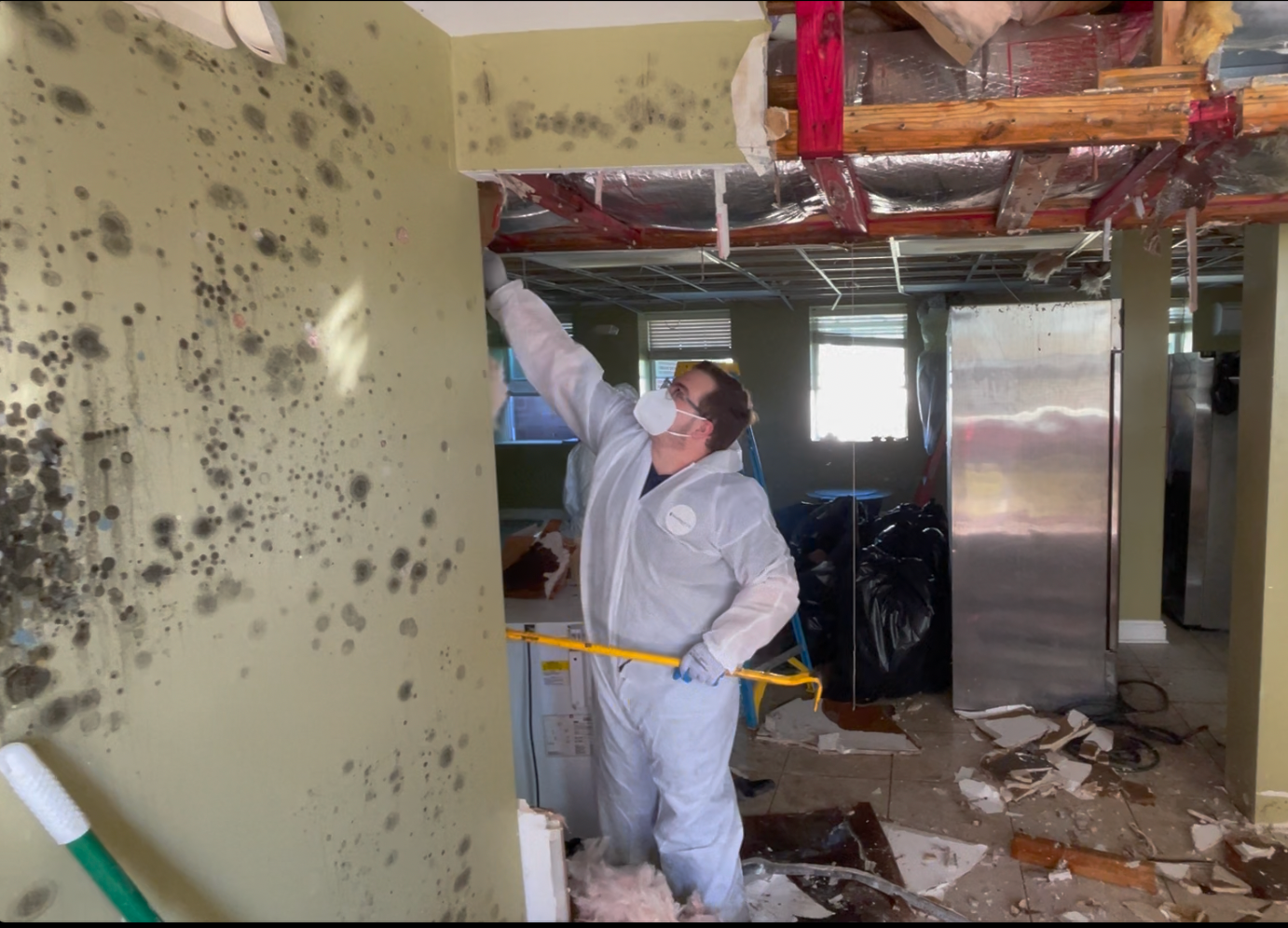
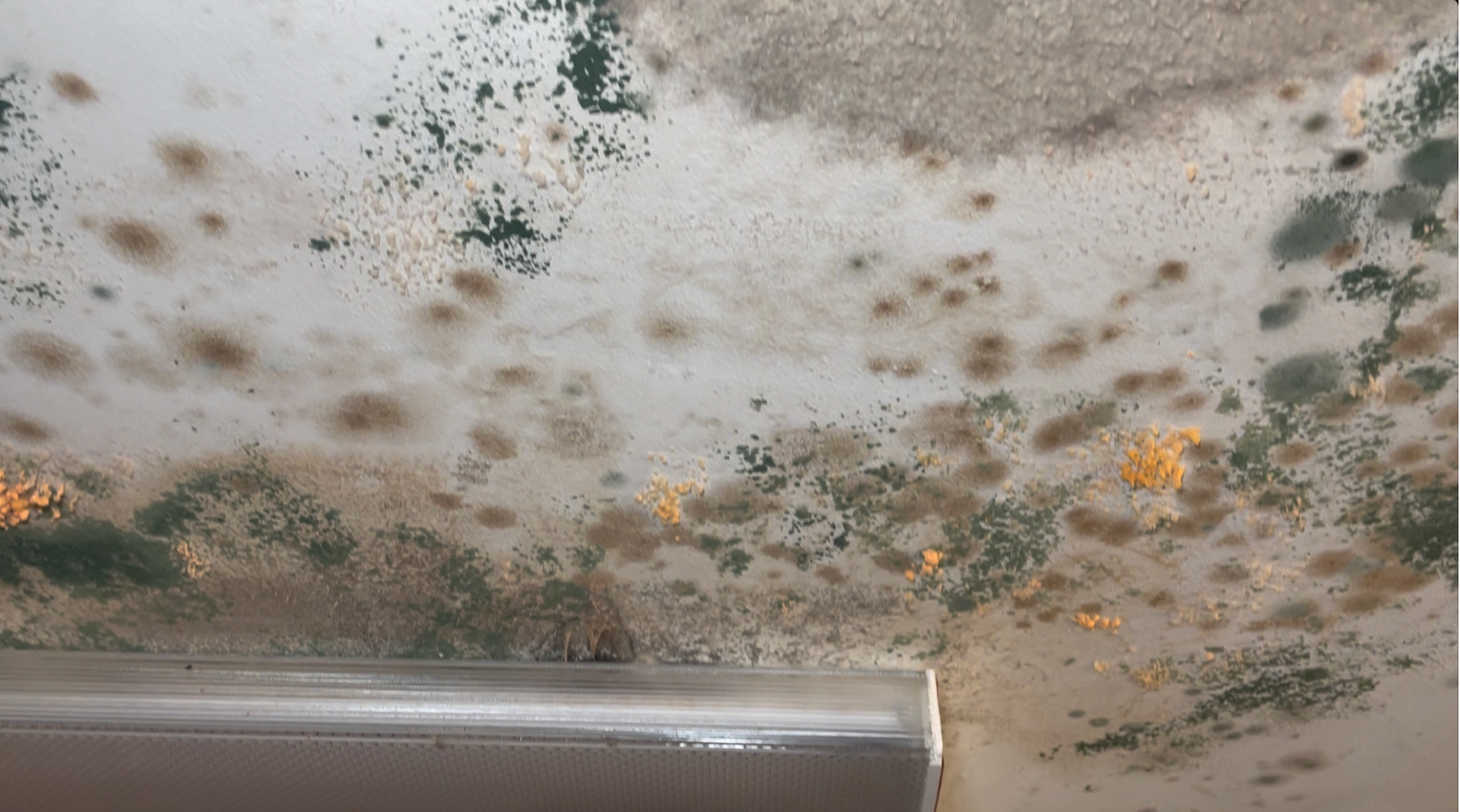
During mold remediation, controlling airflow is vital. Oftentimes, it is something that is overlooked, but it should not be. When property owners discover mold growth in their home or business, they usually do not understand the safe and proper steps for effective mold removal. It can also be overwhelming to know where to start.
Improperly removed mold can lead mold ingestion or cross contamination of areas that were previously unaffected. If mold growth is significant, a professional company, like Guarantee Restoration Services, should be contacted as soon as possible.
Many times, when mold is present, there are some commonly-asked questions that come up:
1) Can a mold source be cleaned, or is it necessary to have it fully removed?
- Generally, if a mold source is present on a porous material then that material should be completely removed and disposed of.
2) Which product should be used to clean the settled spores associated with a small, visible mold source, once the source has been removed?
- Truthfully, the actual product used is much less important that the protocols followed to remove the source and manage any spores that were dispersed of during the removal process.
In addition to controlling airflow, containment barriers are an important aspect of a mold remediation plan, but we’ll talk about those more later!
The Four Steps of Mold Remediation
1. Pre-Testing
When mold is detected, pre-testing is an important element to ascertain baselines. It is also used to determine cross-contamination levels, which have been caused by spore migration. This pre-testing process should always be completed by Indoor Air Quality (IAQ) professional. This includes both air surface samples and visual inspection. Once testing is completed, a lab analyzes the samples to conclude what type of mold and concentration levels are present. These tests allow IAQ experts to create a step-by-step mold remediation plan. In turn, pre-testing allows companies like us, a mold remediation specialist, to have the most success in returning your home or business to normal fungal ecology, or safe levels of mold.
2. Containment Barriers
In some instances, when the mold source is visible and relatively small, the spore mitigation will likely not be extensive. The tests will determine if just that small area was affected. Containment barriers and HEPA (High-Efficiency Particulate Air) Air Filtration Devices manage airflow, which protects the unaffected areas of your home or business. These barriers and AFDs will also capture any mold spores that are dispersed during the remediation process. Utilizing proper containment materials and managed airflow are truly important in protecting individuals and unaffected areas of the building.
Conversely, if there is a large mold source present and spore mitigation is large, the use of pressure-supervised airflow and correct containment barriers become even more vital to halt spore travel. It also limits spore contamination in areas away from the initial mold source.
3. Managing Airflow: Three Types of Air Pressure
While managing airflow, there are three types of air pressure, negative, positive and neutral.
Negative Air Pressure
Negative air pressure is established when the air is exhausted out of a space. When it comes to mold remediation projects, creating negative airflow is extremely important. For example, hospitals often use this technique to isolate quarantine areas because of infectious diseases. Facilitating negative air pressure is done by removing more air out of a space than what is provided into the space. The negative air pressure that ensues inhibits migrating mold spores from traveling past the containment into unaffected areas of your building or home.
Building negative air pressure consists of placing one or multiple containment barriers in your affected property. Typically, these containments have 4-6 millimeters of polyethylene sheeting between the affected and the unaffected areas. It exhausts enough air to facilitate four air changes per hour, or every 15 minutes. This containment barrier is not an airtight seal. The purpose of it is to restrict passive airflow, also known as replacement air, which causes negative air pressure.
Positive Air Pressure
The second type of air pressure is positive. This technique is where air is directed into a space to positively pressurize the space and prevent air from leaking into the space from other areas. Many times, setting up positive air pressure is just as important in protecting unaffected areas, while affected areas are being remediated. Since sometimes negative pressure is difficult to achieve, positive air pressure is then created.
For instance, you may need mold remediation in your attic, but there is low ventilation and no simple way to establish negative pressure. In this case, you would have to establish positive air pressure in rooms that are able to vent into the attic. Therefore, this will cause airflow to be directed into the attic and vented outside, which would protect the unaffected areas that are now protected by the positive air pressure.
Neutral Air Pressure
Neutral Air Pressure is when airflow is contained to a certain space. Normally, neutral air flow is utilized when outdoor air is undesirable, outdoor access is not available, or negative and positive pressures are not viable.
Containment barriers used here should be set as closely as possible between the unaffected and the affected areas. In these cases, HEPA Air Filtration Devices should also be placed inside the mold–affected area with efficient cubic feet per minute (CFPM) capability to perform at least 4 air exchanges in the mold remediation area per hour. Supplementary HEPA AFDs may be placed outside the containment in the unaffected areas. These devices would capture any mold spores that might have escaped from the barrier.
4. Post–Remediation Testing
Regardless of what air method is used, containment barriers should be compressed and disposed of after the remediation is completed. The project should remain under neutral pressure and HEPA air scrubbing for an additional 24-48 hours.
Once this is done, Post Remediation Verification (PRV) samples are gathered. This testing should include all areas of a building or home, whether mold remediation was completed in a particular area or not. The PRV test results will indicate whether the affected areas have returned to a normal fungal ecology. It also verifies that the containment barriers and airflow pressures effectively prevented cross contamination.
Mold Happens, And We Can Help You
At Guarantee Restoration, our team understands that you want to provide a safe working environment for your employees or living environment for your family. It’s no secret that mold can be harmful to those with compromised immune systems, so it is important to remediate these issues quickly and cost-effectively.
As always, our team of dedicated professionals is available 24/7, for any mold, water, fire or wind property damage that needs immediate attention. If your business or home has experienced mold growth, contact us at 1-800-349-HELP (4357) or email info@guaranteerestoration.net.