Ground Maintenance For Your Facility During Colder Months

Matthew Edwards • December 16, 2020

At Guarantee Restoration Services, we work with a lot of school districts that have a multitude of campuses. Therefore, as temperatures fall, we understand how very important it is that your facilities manager and staff are especially diligent in ground maintenance during colder months.


School grounds must be properly kept up on a routine and preventive basis. School grounds can be defined as the full extent of all school property, which includes school sites, the central office, and other administrative or support facilities. This encompasses courtyards, exterior lighting and signage, outdoor learning equipment, pools, modular facilities, paved surfaces such as sidewalks, parking lots, and roads, athletics fields including synthetic surfaces such as Astroturf, and any vacant property owned by the district. Safety should always a priority!


If you have multiple buildings on your campus, identifying and tracking facility maintenance problems can be complex. In addition, facilities that are built for industrial, retail, commercial or governmental uses are also subject to guidelines for energy use, waste and materials management, emissions and air quality. This is something to also be mindful of when up-keeping facilities.


MAKING ENERGY ADJUSTMENTS

Oftentimes, energy represents a commercial property’s largest operating expense. By adopting strategies that increase energy efficiency, utilizing renewable energy, and minimizing waste, these tactics can maximize both economic and environmental performance. Frequently, energy is wasted through leaks, cracks, drafts and other facility flaws. These defects can cost you profoundly during the winter months. The winter season can crack or burst pipes and render sprinkling systems useless. Check out this Winter Facility Preparation Checklist to stay on top of your facility maintenance during this season.


Air Condition Inspection


GROUND MAINTENANCE INCLUDES FIRE SAFETY 

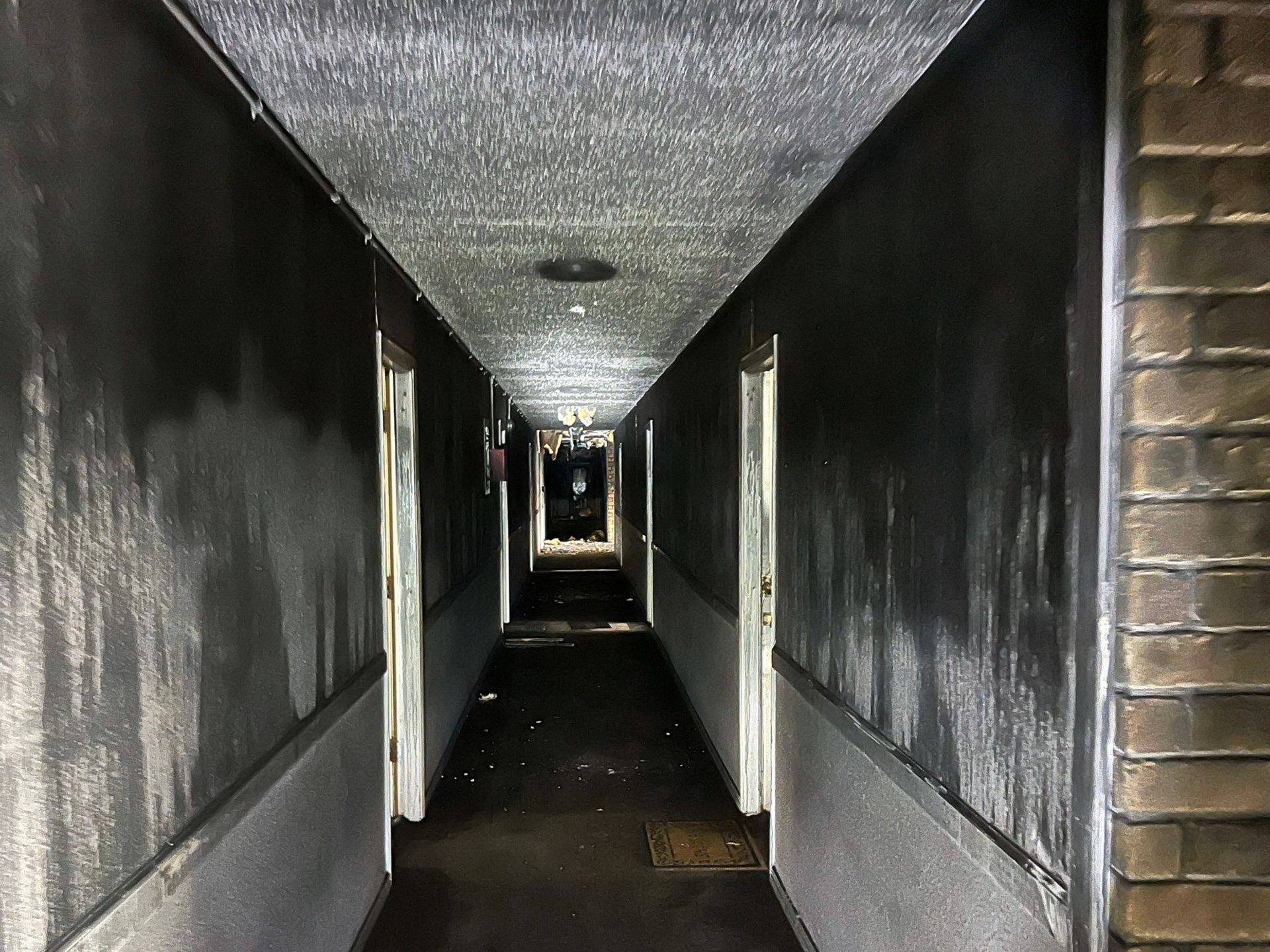
At most facilities, fire safety involves both preventative and responsive measures. Electrical contractors should run tests on “last mile” connections from input source to buildings. They should also check wiring and loads placed on outlets, panels and equipment throughout the facility. Daily checks should be done to prevent storage of flammable materials including cloths or other solvent-soaked items. If your facility has fire protection tanks, also check those daily to prevent freezing.

Additionally, keeping the school clean is not just the custodian and facility manager’s responsibility. You may want to adopt the “30-second” rule in which everyone in the building stops what they are doing and cleans the room they are in during the last 30 seconds of the day.


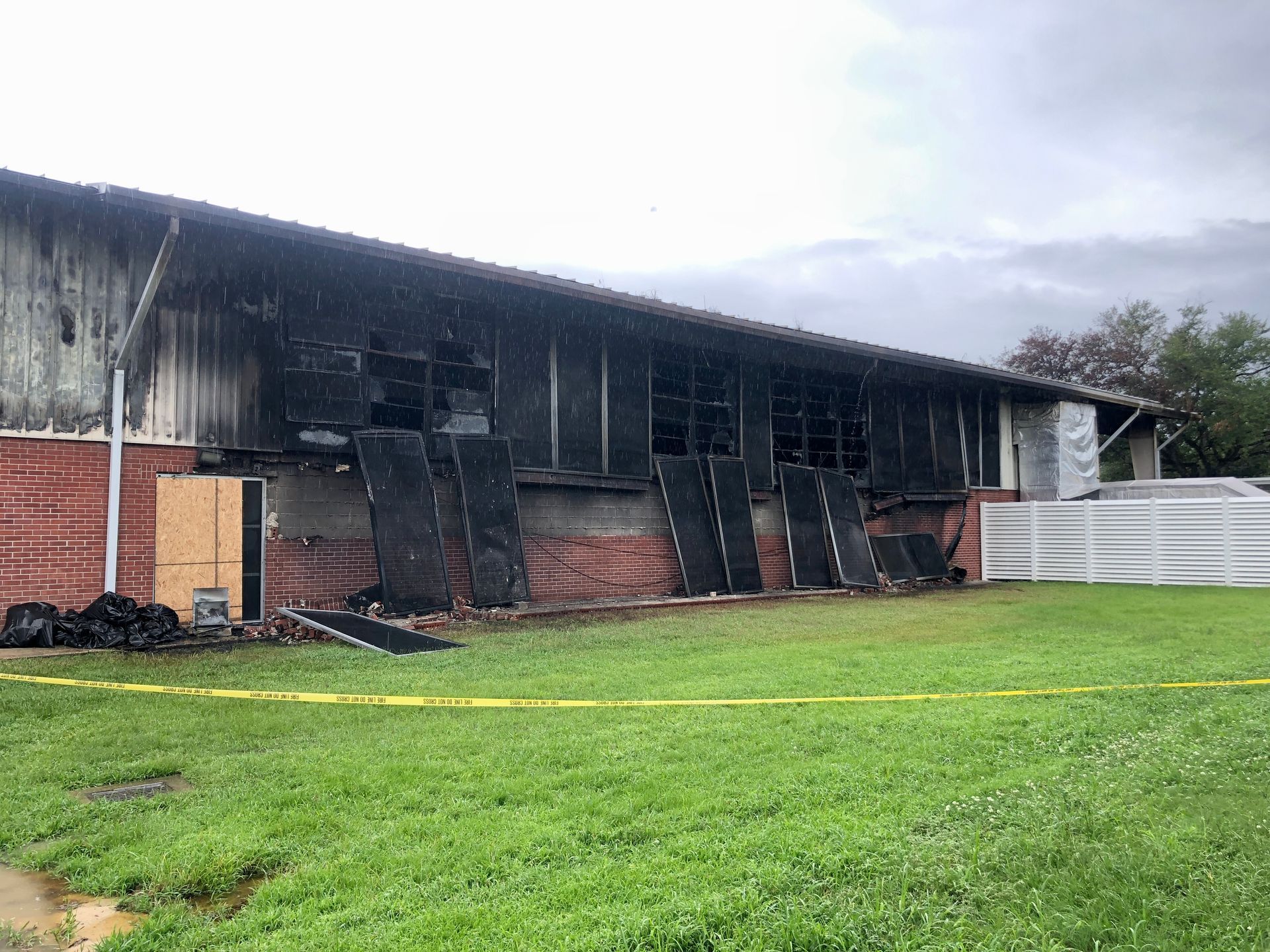
While this article has largely focused on learning institutions, these ground maintenance procedures are not unique to schools. They also apply to the other types of properties we service, such as healthcare facilities like hospitals, assisted living facilities, hotels, multi-family communities,  government offices, and other commercial buildings. It is chiefly important to implement these measures to prevent or lessen the chance of experiencing a fire or water emergency.


24/7 IS NOT JUST A NUMBER

Our team of dedicated professionals understands that property emergencies happen when you least expect them. These often occur because of improper ground maintenance or monitoring. As always, we are available 24/7, which is not just a number, it’s a guarantee. For more information about our services, visit www.GuaranteeRestoration.com. If you have a water, fire or mold loss, please give us a call at 1-800-349-HELP (4357) or email info@guaranteerestoration.net.
CONTACT US
By Shawn Folks May 20, 2026
When a disaster strikes and a loss happens, the clock starts immediately. The first 24 hours after a storm event or a fire loss are the most critical for any property. It is at this time that major decisions need to be made, the damage is either controlled or spreads, and the path to recovery is determined. These decisions are often rushed, unclear, and reactive without a plan in place. This is where having a pre-loss plan makes a measurable and meaningful difference. A pre-loss plan creates a clear starting point for you and your team instead of scrambling to figure out who to call, what steps to take, or how to protect the property. It removes reactive hesitation and replaces it with action to recover. Everyone involved knows their role and understands the process, allowing them to move quickly without second guessing. Speed matters in restoration. Water continues to spread; materials continue to deteriorate, and secondary damage, like mold, can begin in as little as 24 to 48 hours. The faster a response is initiated, the more damage can be contained. Pre-loss planning allows that response to begin immediately, not hours or days later. Other than fast action, it also brings clarity during a very chaotic and challenging moment. Property managers, facility teams, and business owners are not left out in the dark trying to make high-pressure decisions on the spot. Instead, they are following a plan that has already been thoroughly thought through, discussed, and tailored to their specific property’s needs. Communication can become fragmented without a plan. Another advantage to pre-loss planning is coordination. There are several moving parts including emergency services, restoration teams, and insurance carriers. Having a plan streamlines communication ensuring that everyone involved is aligned from the start. At Guarantee Restoration Services, pre-loss planning is designed to support the exact moment the dust settles. It’s not just about preparing documents to sign ahead of time; it’s about setting up our partners and clients to respond with confidence when it matters the most. From established points of contact to documented site conditions and response protocols, everything is built to protect time, reduce damage, and maintain control.  Many people think preparation is about preventing the worst from happening. Rather, it is about being ready when it happens. Because when those first 24 hours hit, you do not want to be figuring things out. You want to be executing a well-formulated, personalized plan for recovery. Call us today...where 24/7 isn’t just a number, it’s a GUARANTEE!
By Christina Mullins May 13, 2026
Behind every successful project at Guarantee Restoration Services is a team member dedicated to making a difference. This month, we’re proud to feature Brian McCaughan, Mitigation Manager at our Gulfport Branch. With more than two decades of industry experience and a strong belief in teamwork, Brian continues to lead by example both in and out of the field.
By Zack Klein May 5, 2026
Pre-loss planning is not flashy or attention grabbing until you’re standing in the middle of a disaster and wondering what happened and what happens next. At Guarantee Restoration Services, it is one of the most important conversations we can have with our partners and clients, because preparation can mean the difference between complete chaos or a controlled situation. What Is Pre-Loss Planning? This service our team offers is exactly what it sounds like. It’s putting a plan in place before something goes wrong. Whether it’s a fire, a severe storm, or a flood, the first few hours matter more than anything. Decisions are made quickly, vendors are being called, and people are trying to figure out who is responsible for what and where. Without a proper plan in place, that moment is stressful, delayed, and more expensive than it needs to be. We have seen it firsthand, time and time again, those properties that have a solid pre-loss plan in place recover faster, experience less downtime, and have a much smoother path to normalcy. Properties that don’t have a plan are left to react instead of responding.
VIEW ALL BLOGS