Understanding Infection Control Risks When Restoring Hospitals and Healthcare Facilities
When damage occurs in a hospital or healthcare facility, restoring the space involves far more than repairing materials. Restoration work can disrupt airflow, release dust and debris, and introduce contaminants into environments designed to protect vulnerable patients. Without proper infection control, these risks can quickly escalate.
That’s why infection control is one of the most critical components of healthcare restoration. At Guarantee Restoration Services, infection control is built into every phase of healthcare recovery to help facilities remain safe, operational, and compliant while restoration work is underway.
Why Infection Control Matters During Healthcare Restoration
Healthcare facilities operate under strict cleanliness standards because patient safety depends on them. When a loss occurs, whether from water damage, fire, or another event, restoration activities can disturb building materials and create airborne particles that migrate beyond the work area.
These risks are heightened during periods when respiratory illnesses are more prevalent, and healthcare systems experience increased strain. Even minor contamination during restoration can expose immunocompromised patients to serious health complications. Infection control ensures recovery efforts do not create additional hazards while care continues.
Infection Control Risks Beyond Visible Damage
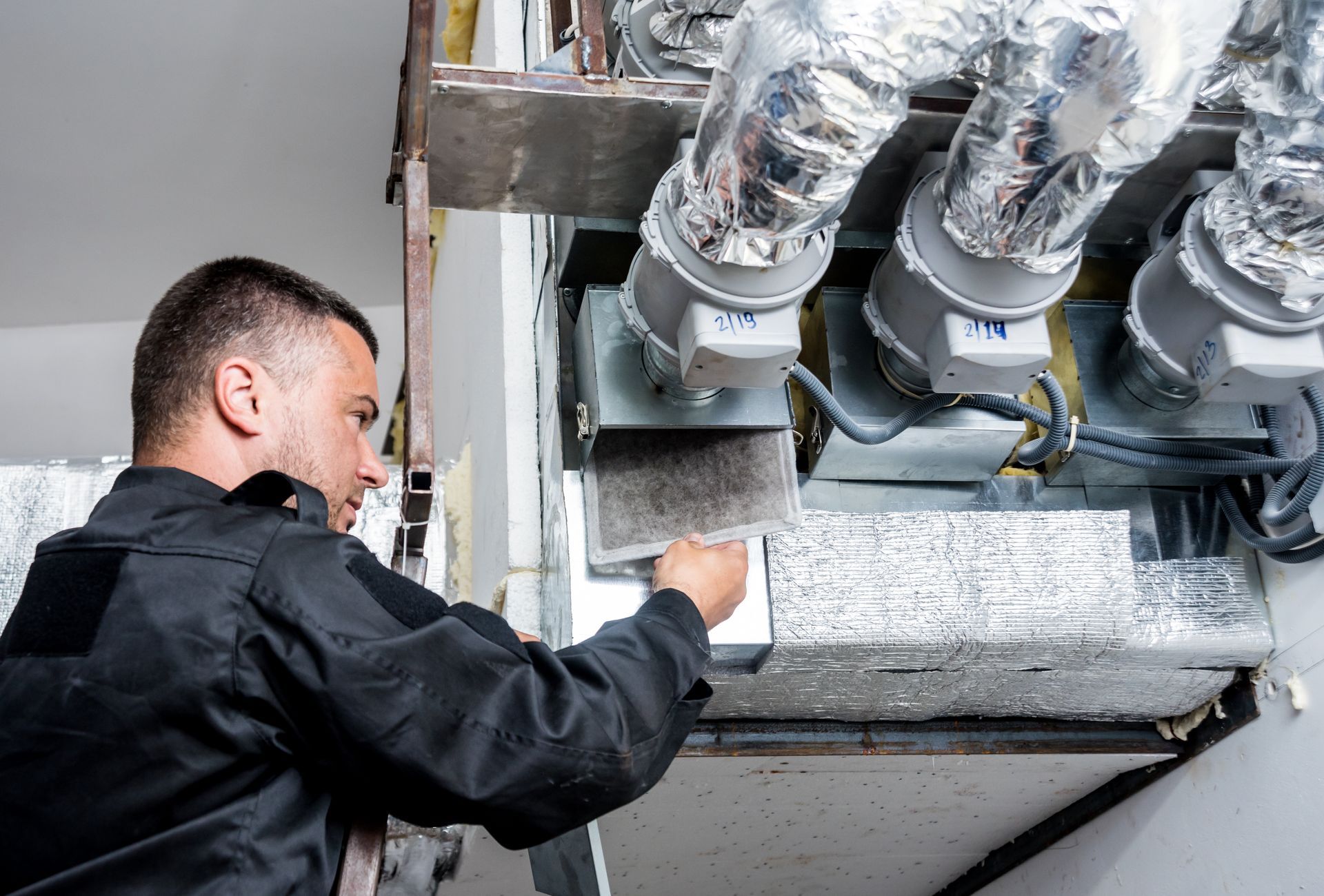
Much like water damage extends beyond what can be seen, infection control risks are often hidden. Dust, debris, and microscopic contaminants can settle into HVAC systems, patient rooms, and shared spaces if not properly controlled.
Surface-level cleanup alone is not enough in a healthcare environment. Without proper containment and air management, restoration work can contribute to secondary infections, odors, and long-term environmental concerns. Effective infection control protects both the physical space and the people inside it.
Infection Control Measures Used in Healthcare Restoration
Infection control during healthcare restoration requires a structured, professional approach. Guarantee Restoration Services follows proven practices designed specifically for active medical environments.
Key elements include:
- Containment: Isolating work areas to prevent dust and contaminants from spreading into patient care spaces.
- Air Control: Using HEPA-filtered equipment to manage airflow and capture airborne particles.
- Cleaning and Decontamination: Maintaining cleanliness throughout the project to reduce contamination risks.
- Trained Technicians: Ensuring restoration crews understand infection control standards and work safely within healthcare settings.
Together, these measures support safe recovery while keeping facilities operational.
Why Professional Healthcare Restoration Matters
Infection control cannot be improvised during healthcare restoration. Hospitals and medical facilities require experienced teams, careful planning, and specialized equipment to manage risks while patient care continues. Our team understands the complexities of working in active healthcare environments and the responsibility that comes with protecting patients, staff, and visitors.
By identifying infection control risks early and maintaining disciplined controls throughout the project, restoration efforts can move forward without creating additional hazards. This proactive approach helps limit exposure, reduce disruption, and support a safe recovery process. With infection control at the forefront, Guarantee Restoration Services helps healthcare facilities restore order while continuing to provide critical care.